
Who this is for: people who are pregnant or have recently had a baby and have noticed new or worsening veins in their legs or vulva. Your midwife or doctor should be your first contact during pregnancy.
On this page
The short answer
- Pregnancy hormones relax vein walls and the growing uterus raises pressure in the pelvic and leg veins.
- Healthify NZ says treatment is not usually recommended during pregnancy, and veins often get better after the birth.
- Compression, raising your legs and staying active help with symptoms.
- If veins remain or cause symptoms after you have recovered, a vein assessment with ultrasound can look at the cause.
Why varicose veins appear in pregnancy
Varicose veins are enlarged veins that develop when the one-way valves inside them weaken, letting blood flow backwards and pool. Our vein problems page lists pregnancy among the common causes, alongside genetics, standing jobs and hormonal influences. Pulse's vein essentials page adds that varicose veins often run in families and can be made worse by pregnancy.
In pregnancy, Pulse explains, hormonal changes cause veins to relax and widen, the growing uterus increases pressure on the pelvic veins, blood flow from the legs slows and fluid retention increases. That is why veins often appear or worsen in the later months, and why some people notice veins around the vulva too.
Common symptoms
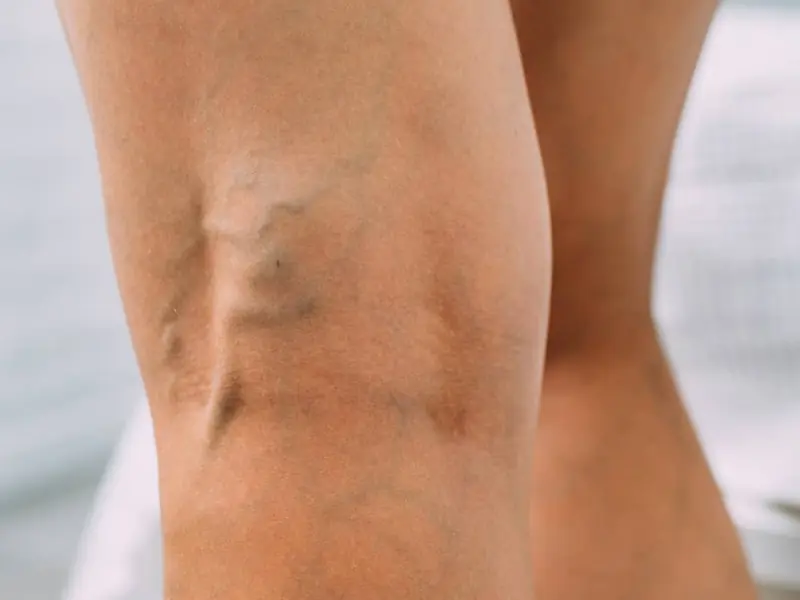
- Visible, bulging blue or purple veins on the legs
- Aching, heaviness, throbbing or itching, often worse after standing
- Ankle swelling and night cramps
- Veins around the vulva, buttocks or upper thighs (see vulvar varicose veins)
Get prompt medical help if a leg becomes swollen, painful, red or warm, especially in one leg, as this can be a sign of a clot. Pulse notes that pregnancy is a risk factor for clots. Call 111 for chest pain or breathlessness.
What helps during pregnancy, including prevention tips
Healthify NZ's varicose veins page, reviewed by a vascular surgeon, says treatment is not usually recommended during pregnancy. The focus is on easing symptoms:
- Compression: Pulse describes compression stockings as a safe way to manage the common swelling and varicose vein problems of pregnancy. Light to moderate compression is usually adequate. Read our maternity compression guide.
- Raise your legs: Healthify NZ suggests raising your legs above hip level when sitting or lying down.
- Keep moving: Pulse suggests staying active and moving or stretching every 30 to 60 minutes, and avoiding long periods of sitting or standing. Active calf muscles help pump blood back towards the heart.
- Daily habits: Pulse also suggests raising your legs when resting, choosing supportive footwear, and avoiding tight clothing around the waist or legs that restricts blood flow.
- Talk to your midwife about anything that worries you, including which compression suits you.
Veins still bothering you after pregnancy? Start with a free phone consultation with a Pulse vascular nurse.
Book a free phone consultVaricose veins after pregnancy
Healthify NZ notes that veins often get better after your baby is born. If they are still there once you have recovered, or they ache, swell, itch or change the skin, it is worth getting them looked at.
Pulse is a specialist vein clinic. Every treatment starts with a free phone consultation with a specialist vascular nurse, and no GP referral is needed. If treatment is considered, a Duplex ultrasound scan maps how the veins are working first. Pulse's treatments include VenaSeal (medical adhesive), radiofrequency ablation and sclerotherapy, and the right option depends on the scan. Prices are on our treatment costs page.
Pulse notes that varicose veins cannot be completely prevented if they run in your family, but these habits can reduce how quickly they progress. If you are planning another pregnancy, mention it at your consultation so the timing of any treatment can be discussed.
When to see a health professional
Healthify NZ suggests seeing a healthcare provider if varicose veins cause pain or discomfort, leg or foot swelling, skin changes, bleeding, or a leg sore that has not healed after 2 weeks. During pregnancy, start with your midwife or doctor. After pregnancy, you can contact Pulse directly.
Frequently asked questions
Why do varicose veins appear in pregnancy?
Pulse explains that pregnancy hormones relax vein walls, the growing uterus raises pressure in the pelvic veins and blood flow from the legs slows.
Can varicose veins be treated during pregnancy?
Healthify NZ says treatment is not usually recommended during pregnancy. Compression and raising your legs can help with symptoms.
Do varicose veins go away after pregnancy?
Healthify NZ notes they often get better after the birth. If they remain or cause symptoms, a vein assessment can look at the cause.
Are compression stockings safe in pregnancy?
Pulse describes them as a safe way to manage pregnancy swelling and varicose veins. Check with your midwife that they suit you.
Do I need a referral to see Pulse after pregnancy?
No. Pulse offers a free phone consultation with a vascular nurse and does not require a GP referral.
Book a free phone consultation with a Pulse vascular nurse.
Book a free consultAbout this guide
Pulse is a specialist vein clinic led by vascular surgeons, radiologists and specialist nurses, and we assess and treat varicose veins, including veins that remain after pregnancy. This guide uses our vein and compression information and Healthify NZ's page on varicose veins. Last reviewed 16 November 2026. If you spot anything out of date, email info@pulsehealth.nz and we will correct it.