
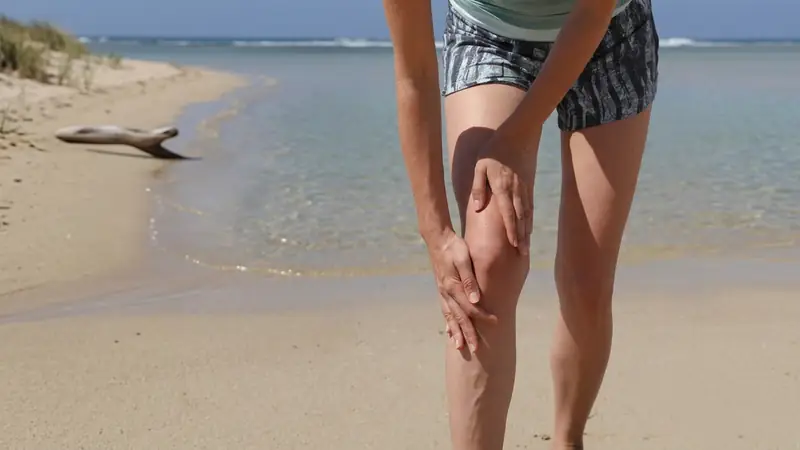
Who this is for: people who have noticed swollen or bulging veins around the vulva, buttocks or upper thighs, during or after pregnancy, sometimes with pelvic aching or heaviness.
On this page
The short answer
- Vulvar varicose veins are enlarged veins around the vulva, often linked to pregnancy or pelvic varicose veins.
- Pulse lists visible veins around the vulva, buttocks or upper thighs among the symptoms of pelvic varicose veins.
- Vulval support garments give compression over the groin and perineum without pressure on the abdomen.
- Pulse offers specialist assessment, imaging and pelvic vein embolisation where appropriate.
What are vulvar varicose veins?
Vulvar (or vulval) varicose veins are enlarged, sometimes bulging veins on the labia and around the vulva. Like varicose veins in the legs, they happen when valves in the veins stop working well, so blood flows backwards, pools and stretches the veins. They are sometimes called vulvar varicosities.
They often appear in pregnancy, when hormones relax the vein walls and the growing uterus raises pressure in the pelvic veins. They can also be a sign of pelvic varicose veins: Pulse lists visible varicose veins around the vulva, buttocks or upper thighs among the symptoms of that condition.
Vaginal varicose veins and pelvic varicose veins
"Vaginal varicose veins" is a phrase often used for the same thing: veins seen around the vaginal opening and vulva. When enlarged veins sit deeper inside the pelvis, usually the ovarian veins, they are called pelvic varicose veins. Pulse explains these are common but often under-recognised, and most commonly affect women aged 20 to 50, especially those who have had children.
Pelvic varicose veins can cause no symptoms at all, or can be a cause of chronic pelvic pain (sometimes called pelvic congestion syndrome). Symptoms Pulse lists include:
- pelvic pain lasting more than 6 months, or a dull, aching or heavy feeling in the pelvis
- pain worse after standing or sitting for long periods, or at the end of the day, that improves when lying down
- pain during or after sex, or worse before or during periods
- visible veins around the vulva, buttocks or upper thighs, sometimes with leg varicose veins
Pulse also notes that these symptoms overlap with gynaecological, urological and bowel conditions, so an assessment is the only way to know the cause.
Talk to Pulse about vulval or pelvic veins. No referral needed.
Book a consultationVulvar varicosities: support garments
Pulse stocks compression designed for pelvic and vulval veins. As our types and styles page describes, these have no abdominal pressure and a groin support panel. For veins that appear in pregnancy, designs add extended compression over the groin and perineum using vulval panels, gussets and a higher density knit. Compression shorts are also available for pelvic conditions.
Because fit is so important in this area, a nurse fitting is the best way to choose. If you are pregnant, ask your midwife or doctor too. Read more in our maternity compression guide.
Managing vulvar varicose veins in pregnancy
Healthify NZ says treatment for varicose veins is not usually recommended during pregnancy, and that veins often get better after the baby is born. During pregnancy the focus is comfort. These steps come from Pulse's general vein advice; check with your midwife or doctor what suits you:
- Support: a vulval support garment, fitted by a nurse, gives compression over the groin and perineum without pressing on your bump.
- Rest with your legs raised when you can, and avoid standing still for long periods.
- Move or stretch every 30 to 60 minutes if you sit or stand for work.
- Avoid tight clothing around the waist or legs that restricts blood flow.
Can they be prevented?
Pulse notes that varicose veins cannot be completely prevented if they run in your family, but staying active, raising your legs and wearing compression can reduce how quickly they progress.
Can vulvar varicose veins bleed?
Healthify NZ lists bleeding from a varicose vein as a reason to see a healthcare provider. If a vulval vein bleeds, or becomes painful, hot, hard or red, contact your midwife, doctor or an urgent care clinic.
How Pulse assesses vulvar and pelvic veins
At Pulse you are looked after by a specialist nurse, with support from a vascular surgeon and an interventional radiologist. Referrals are welcome but not required.
- Clinical assessment of your symptoms and history.
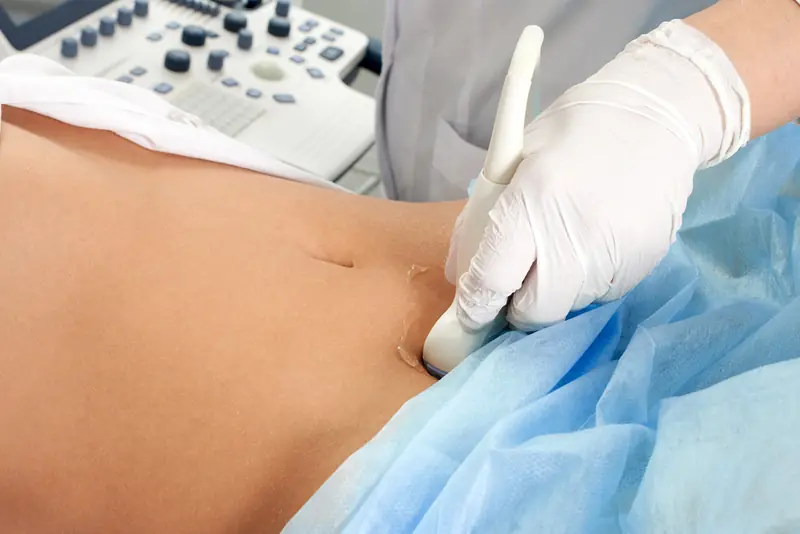
- Ultrasound, often transvaginal, to look at blood flow and vein size.
- MRI or CT to see the pelvic veins, if needed.
- Venography, an X-ray test using dye, which Pulse describes as the most accurate test and which may be done at the same time as treatment.
Treatment options at Pulse
Our pelvic varicose veins pages describe two kinds of treatment:
- Medications such as pain relief and hormonal treatments, which may help symptoms but do not fix the underlying vein problem.
- Pelvic vein embolisation, a minimally invasive procedure under X-ray guidance. A catheter is passed into the faulty vein, which is sealed with coils, medical glue or a sclerosant so blood is redirected into healthy veins. It is done under local anaesthetic, usually as a day stay. Pulse notes mild pelvic discomfort or cramping for 3 to 4 weeks afterwards, that most people return to normal activities within a few days, and that improvement can take a few months.
Whether any treatment is right for you depends on your assessment. Pulse notes that pelvic varicose veins are not usually dangerous, but they can affect quality of life. If you have health insurance, check whether treatment is covered.
Frequently asked questions
What causes vulvar varicose veins?
Weak vein valves let blood pool and stretch the veins. Pregnancy and pelvic varicose veins are common links.
Are vulvar varicose veins dangerous?
Pulse notes that pelvic varicose veins are not usually dangerous but can affect quality of life. Any new swelling, pain or bleeding should be checked by a health professional.
Can compression help vulval varicose veins?
Pulse stocks pelvic and vulval designs with a groin support panel and no abdominal pressure, which a nurse can fit.
How are vulval and pelvic veins diagnosed?
Pulse uses clinical assessment and imaging, such as ultrasound (often transvaginal), MRI or CT, and venography.
Do I need a referral?
No. Pulse says referrals are welcome but not always required.
Book a pelvic and vulval vein consultation with Pulse, or call 0800 4 78573.
Book a consultationAbout this guide
Pulse offers specialist assessment and wraparound care for pelvic varicose veins, including imaging and pelvic vein embolisation, and fits pelvic support garments. This guide is based on our pelvic varicose vein pages. Last reviewed 16 November 2026. If you spot anything out of date, email info@pulsehealth.nz and we will correct it.