

Who this is for: people who have had a DVT, are recovering from surgery, are planning a long trip with clot risk factors, or were given stockings in hospital and want to understand them. It is not a guide to treating a suspected clot.
On this page
The short answer
- A suspected DVT needs urgent medical assessment. Stockings are not a treatment for a new clot on their own.
- After a DVT, stockings may be advised to reduce swelling and discomfort; Healthify NZ notes they are no longer recommended for everyone.
- Hospital TED stockings are designed for people lying down; graduated compression stockings are for people who are walking.
- Pulse offers urgent scanning for suspected clots and nurse fitting of compression.
If you think you have a DVT now
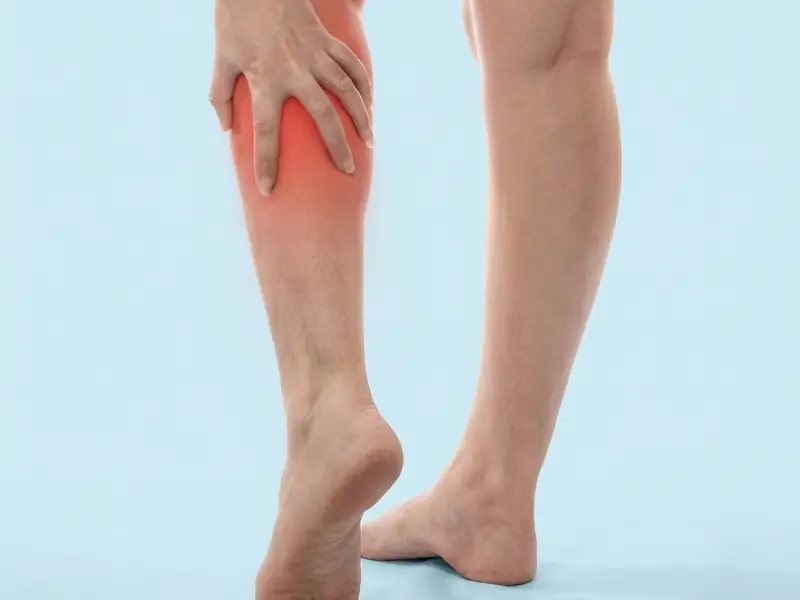
Do not wait to buy stockings. Healthify NZ lists swelling, pain that often starts in the calf, warmth, and bluish, purple or reddish skin in one leg as signs of DVT, and says to contact a healthcare provider urgently. Seek immediate help, or call 111, if you also have breathlessness, chest pain, coughing up blood, fainting or collapse.
Pulse can arrange urgent ultrasound scanning for suspected clots: see our blood clots page. Your GP or an urgent care clinic can also assess you the same day.
Compression stockings after a DVT
A DVT is usually treated with blood-thinning medicine (anticoagulants), prescribed and monitored by a doctor. Our blood clots page explains that compression stockings may then be used to reduce swelling and, alongside blood thinners, the risk of further clots, and over the longer term the risk of post-thrombotic syndrome (ongoing leg swelling, aching and skin changes after a clot).
Healthify NZ adds an important point: stockings are no longer recommended for everyone with a DVT, so your treating clinician will decide whether they will help you. If they are advised, a proper measurement matters, because a poorly fitting stocking can dig in and cause problems of its own.
Questions to ask your doctor or nurse
- Do you recommend stockings for me, and for how long?
- What strength and length should I wear?
- Should I wear them day and night, or daytime only?
- Who will measure me, and when should I be re-measured?
Need urgent scanning or advice on stockings after a clot? Contact the Pulse team.
Contact PulseDVT stockings for travel and after surgery
"DVT stockings" is often used to mean the graduated compression socks people wear on long trips. Our compression pages say compression is commonly used during flights, car, train or bus travel longer than 4 to 6 hours, especially by people with a previous DVT, recent surgery, pregnancy, varicose veins or other risk factors. Healthify NZ notes that correctly fitted stockings can help prevent DVT in people at increased risk, worn alongside regular movement rather than instead of it.
After an operation, Pulse explains that compression is commonly used to support circulation and reduce the risk of DVT, especially after procedures followed by bed rest or reduced mobility. Mild compression is usually adequate. Follow the instructions from your surgical team on how long to keep them on.
More on travel is in our compression stockings for flying guide.
TED stockings vs compression stockings
| TED (anti-embolism) stockings | Graduated compression stockings | |
|---|---|---|
| Designed for | People lying down, such as in hospital after surgery | People who are up and walking |
| Where you get them | Usually supplied by the hospital | Pharmacies, specialist suppliers such as the Pulse shop, or a nurse fitting |
| How they are worn | Healthify NZ says in hospital they are usually worn day and night until normal activity returns | Pulse advises daytime wear, removed at night unless told otherwise |
If you were sent home in hospital stockings, follow the instructions you were given and ask your care team before switching to a different type.
Getting compression fitted after a clot
Pulse's specialist nurses can measure you, arrange the type and level of compression your clinician has recommended, and show you how to put it on. Measurements are taken in the morning on bare skin at the ankle and calf, with the length from the floor to just below the knee crease.
How to put compression stockings on
- Put them on in the morning, before swelling builds. Healthify NZ gives the same advice.
- Turn the stocking inside out to the heel. Place your foot in first and position the heel correctly.
- Roll it up the leg gradually. Do not pull from the top, and smooth out any wrinkles.
- Use aids if you need them. Rubber gloves improve grip, and stocking frames or slip socks help if bending is hard.
How long to wear them each day
Pulse's general advice for graduated compression is to wear it during the day and take it off at night, unless you have been told otherwise. After a clot, how many hours a day and for how many months is a decision for your treating clinician, so follow their plan and ask before stopping.
Stop wearing the stockings and get advice if you notice toe discolouration or coldness, deep marks, increasing pain or swelling, or rolling at the top. People with peripheral arterial disease or neuropathy need medical advice before using compression.
Frequently asked questions
Should I wear compression stockings if I think I have a DVT?
No. A suspected DVT needs urgent medical assessment first; contact your GP, urgent care or Pulse, and call 111 for chest pain or breathlessness.
Do I have to wear stockings after a DVT?
Not always. Healthify NZ says they are no longer recommended for everyone, so your treating clinician will decide whether they will help you.
What are DVT stockings?
The term usually means graduated compression socks worn on long journeys or after surgery. They are worn alongside moving regularly, not instead of it.
Are TED stockings the same as compression stockings?
No. Healthify NZ explains that TED stockings are designed for people lying down, while graduated compression stockings are for people who are walking around.
Can Pulse fit compression stockings after a clot?
Yes. Pulse's specialist nurses measure and fit compression, and the strength should follow the advice of your treating clinician.
Pulse offers urgent scanning for suspected clots and nurse fitting of compression.
Contact PulseAbout this guide
Pulse provides urgent assessment and management for deep vein thrombosis and superficial thrombophlebitis, and our nurses fit graduated compression. This guide explains how stockings fit into clot care, using our blood clot and compression information and Healthify NZ's pages on DVT and compression stockings. Last reviewed 16 November 2026. If you spot anything out of date, email info@pulsehealth.nz and we will correct it.