

Who this is for: anyone whose ankles or lower legs are swollen and who wants to understand the possible reasons before seeing a health professional. This page cannot tell you the cause of your swelling: only an assessment can.
On this page
The short answer
- Some ankle swelling by the end of the day is common and usually mild.
- Common causes include vein problems, long periods sitting or standing, pregnancy, some medicines, and heart, kidney or liver conditions.
- Sudden, painful or one-sided swelling, or swelling with chest pain or breathlessness, needs urgent help.
- Persistent swelling should be assessed; Pulse uses Duplex ultrasound to look at the veins.
When swollen ankles need urgent help
Call 111 if swelling comes with chest pain, sudden breathlessness, coughing up blood, or fainting.
Get same-day medical care (your GP, an urgent care clinic, or Healthline on 0800 611 116) if swelling is sudden, painful, in one leg only, or comes with redness, heat or fever. Sudden one-sided swelling can be a sign of a blood clot.
Our leg swelling FAQs describe swelling as more concerning if it is sudden, painful, affects only one leg, or comes with chest pain, shortness of breath, redness or fever.
Common causes of swollen ankles
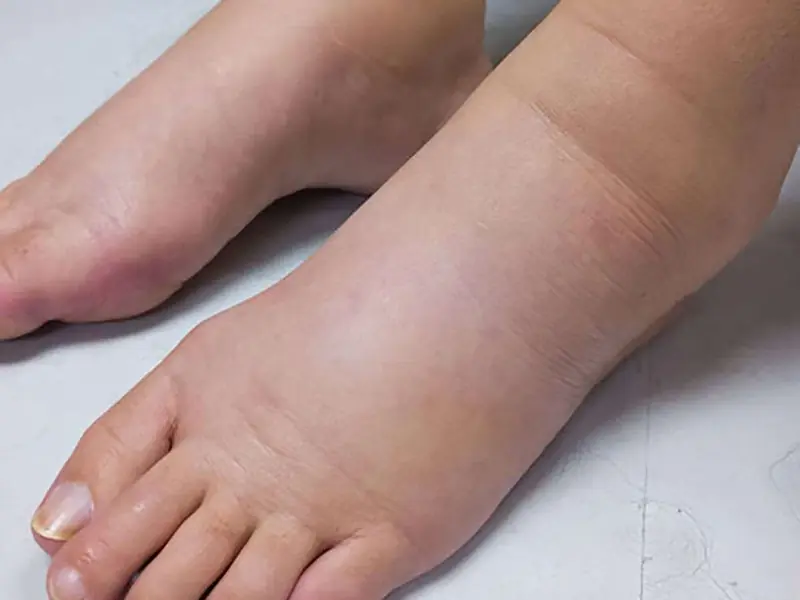
Pulse explains that some fluid around the ankles is common, especially towards the end of the day, and is usually mild and causes no symptoms. Oedema happens when more fluid leaks out of the blood vessels than the lymphatic system can drain away. Pulse lists these common causes:
| Cause | What happens |
|---|---|
| Long periods sitting or standing | Less calf movement lets fluid collect at the ankles, often worse in the evening and on long trips |
| Vein problems (venous insufficiency, varicose veins) | Weak vein valves let blood pool; the pressure pushes fluid into the tissues, with heaviness and sometimes skin changes |
| Pregnancy | Hormones, extra fluid and pressure on pelvic veins |
| Some medicines | Pulse gives calcium channel blockers and steroids as examples; do not stop a medicine without talking to your doctor |
| Heart, kidney or liver conditions | The body retains fluid, often most noticeable around the ankles and legs |
| Recent surgery or injury | Swelling as part of healing and reduced movement |
| Deep vein thrombosis (DVT) | A clot in a deep vein, usually with swelling, pain or warmth in one leg; needs urgent assessment |
| Lymphoedema | The lymphatic system cannot drain fluid properly, causing persistent swelling |
Lipoedema is different: it is a build-up of fatty tissue, usually in both legs, with the feet often spared. Pulse notes it is not mainly fluid swelling, though it can feel heavy and tender.
Long-standing vein problems can also damage the skin around the ankle. In some people this leads to a venous leg ulcer, an open sore that is slow to heal and needs a proper assessment.
Swelling that will not settle? Pulse can assess your legs. No referral needed.
Book an assessmentClues people describe, and why they still need checking
- Pitting: Pulse explains that if pressing on the swollen area leaves a dent for a few seconds, that suggests fluid rather than fatty tissue.
- Timing: swelling that builds through the day and goes down overnight is common; swelling that persists overnight or does not improve with raising the legs is a warning sign.
- Skin changes: redness, hardness, darkening or weeping sores around the ankle are reasons to be seen.
- One leg or both: one-sided, sudden swelling needs urgent assessment.
These are only clues. Many causes look alike, which is why swelling that does not settle should be assessed by a health professional.
How swelling is assessed
Your GP is a good first stop, especially if you have heart, kidney or liver conditions or take regular medicines. Pulse also assesses leg swelling, with no referral needed:
- Online consultation with information about your swelling, and photos of both legs.
- Nurse call to talk through your symptoms; the specialist nurse consults Pulse's vascular surgeon.
- Investigations, usually starting with a Duplex ultrasound scan of the veins, and sometimes blood tests or heart and kidney tests.
- Management plan based on the cause.
Self-care and what may help, depending on the cause
Once serious causes have been ruled out, our leg swelling FAQs describe these everyday steps:
- Raise your legs when resting, to help fluid drain back towards the heart.
- Keep moving. Gentle walking and ankle or calf exercises help move fluid out of the lower legs, so Pulse suggests carrying on with gentle exercise even when legs are swollen.
- Avoid long periods of sitting or standing without a break.
- Reduce salt intake and keep to a healthy weight, as Pulse lists both among the ways leg oedema is managed and prevented.
- Compression socks or stockings, properly fitted, to help reduce fluid build-up and discomfort.
- Follow your doctor's advice about any heart, kidney or liver condition, and do not stop a prescribed medicine without talking to them.
Pulse also notes that medicines such as diuretics are used in selected patients. If swelling is caused by varicose veins, treating the faulty veins can reduce fluid build-up. The right approach depends on the cause, so get an assessment first. Our guide to compression socks for swollen ankles covers choosing and wearing compression once serious causes have been ruled out.
Frequently asked questions
What is the most common cause of swollen ankles?
Pulse explains that mild ankle swelling at the end of the day is common, often from long periods sitting or standing. Vein problems are another common cause.
When are swollen ankles an emergency?
Call 111 if swelling comes with chest pain or breathlessness. Get urgent care for sudden, painful or one-sided swelling.
Can medicines cause swollen ankles?
Pulse lists some medicines, such as calcium channel blockers and steroids, as causes. Do not stop a medicine without talking to your doctor.
What does it mean if swelling leaves a dent?
Pulse explains pitting suggests fluid build-up rather than fatty tissue. It still needs assessment to find the cause.
Should I wear compression socks for swollen ankles?
They help many people once serious causes have been ruled out. Get advice first if you have arterial disease, neuropathy or unexplained swelling.
Book a leg swelling assessment with Pulse, or talk to your GP.
Book an assessmentAbout this guide
Pulse runs nurse-led leg swelling care for oedema, lymphoedema and lipoedema, with specialist vein assessment when veins are part of the cause. This guide uses our leg swelling information and Healthify NZ's health information. Last reviewed 16 November 2026. If you spot anything out of date, email info@pulsehealth.nz and we will correct it.